

Circular Economy Spending in Germany Exposes Europe’s Plastics Gap
von George Kiernan
Startseite - Nachrichten - Circular Economy Spending in Germany Exposes Europe’s Plastics Gap
Pakire Polymere Nachrichten
Circular economy spending in Germany has sharpened one of the most important questions now facing Europe’s recycling sector: will policy support reach the plastic materials that need it most?
Germany’s planned investment in circular economy measures has been presented as a serious step towards greater resource efficiency, stronger recycling systems and reduced dependence on primary raw materials. The programme sits within the country’s wider National Circular Economy Strategy and includes funding for circular business models, digital product information, public procurement and recycling-related innovation.
For European industry, the direction is welcome. For plastic recyclers, it is also incomplete.
The issue is not whether Germany has recognised the importance of circularity. It has. The harder issue is whether broad circular economy policy will close the plastics gap that still sits between ambition and delivery. Europe is asking manufacturers, recyclers, waste producers and policymakers to keep more materials in productive use. Yet for plastics, that will not happen through strategy alone.
It will require investment in collection, sorting, washing, extrusion, pellet production, traceability and demand for recycled polymers. It will also require a much clearer recognition that plastic recycling is not a side issue within circular economy policy. It is one of the places where that policy will either prove itself or fall short.
Circular Economy Spending And Industrial Reality
Germany’s circular economy plans reflect a wider European shift. Circularity is no longer being treated purely as a waste issue. It is increasingly tied to industrial resilience, resource security and the need to reduce reliance on virgin raw materials.
That matters. Modern economies use vast quantities of materials, then lose too much value through disposal, incineration or poorly managed export routes. A circular economy aims to keep those materials working for longer, first through better product design and reuse, then through recycling where products reach the end of their useful life.
The German programme recognises that principle. It supports measures around digitalisation, circular value chains, product information and recycling. Those are all necessary parts of a more resilient industrial system.
But plastics present a particular challenge. They are used across packaging, construction, automotive, agriculture, logistics, healthcare and consumer products. They are also highly varied, technically complex and often difficult to recover cleanly once mixed with other materials.
This is where the plastics gap begins.
The Plastics Gap In Germany
The plastics gap is not a single funding line or a formal policy category. It is the space between what Europe says it wants from plastics and what the current system can actually deliver.
Germany’s own circular economy work shows why this matters. The country produces millions of tonnes of plastic each year, yet recycled content still accounts for only a small share of total plastic production. Large volumes of plastic waste continue to move into incineration rather than material recycling.
That gap is not simply about technology. It is commercial, logistical and regulatory.
Recyclers need consistent input material. They need plastic waste that has been collected, sorted and handled properly. Manufacturers need recycled polymers that meet technical specifications. Buyers need confidence around quality, traceability and compliance. The market also needs pricing conditions that allow recycled material to compete against virgin polymer, especially when oil-linked virgin plastics become cheaper.
Without those conditions, circular economy spending risks supporting the language of circularity while leaving the hardest material streams under-served.
Why Plastics Cannot Be Neglected
Plastic recycling needs more direct attention because the sector carries a large share of Europe’s circular economy challenge.
Paper, metals and glass each have their own problems, but many of their recycling routes are better established. Plastics remain more fragmented. Polymer types differ. Additives vary. Contamination matters. Flexible packaging behaves differently from rigid packaging. Post-industrial material differs from post-consumer material. Food-grade requirements create another layer of complexity.
This is why general circular economy funding can only go so far. Plastics need targeted investment in the systems that turn waste into usable secondary raw materials.
That means better sorting infrastructure. It means more washing and reprocessing capacity. It means polymer testing, batch control, documentation and material data. It means stronger procurement rules that give recycled polymers a fair place in manufacturing specifications.
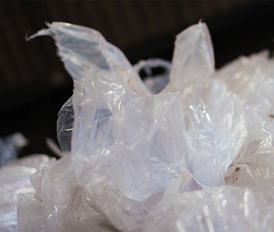
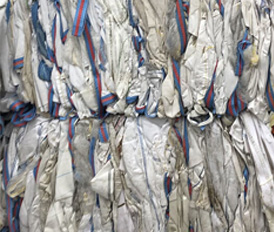
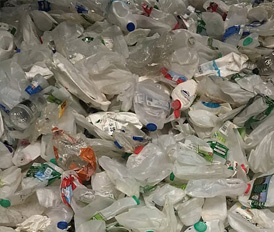
Pakire Polymere, operating as a European recycling facility focused on recycled HDPE, LDPE and PP pellets, sees this issue from the factory floor rather than the policy table. The business case for circularity depends on real material moving through real plants. If plastic waste cannot be processed into reliable recycled polymers, circular economy policy remains an intention rather than an industrial system.
EU Plastic Waste Export Rules Raise The Stakes
The plastics gap becomes more urgent because Europe is also tightening the rules on plastic waste exports.
From May 2026, EU plastic waste exports face stricter prior notification and consent requirements. From November 2026, exports of plastic waste to non-OECD countries face a ban, with only limited future routes available under strict conditions.
This changes the market. For years, part of Europe’s plastic waste problem could be pushed out of sight through export routes. That option is now being narrowed.
In principle, that is the right direction. Europe should take greater responsibility for the materials it consumes. But export restrictions only work if Europe has the recycling capacity to handle more material closer to home.
Businesses with plastic waste will need reliable outlets. Recyclers will need access to suitable feedstock. Manufacturers will need more recycled polymers if recycled-content obligations and procurement pressure continue to rise.
Facilities such as Pakire Polymers sit directly inside that new reality. By processing HDPE, LDPE and PP scrap into recycled pellets, Pakire provides one of the practical outlets Europe will need more of as export options tighten. That role should not be overstated, but it should not be ignored either. Circularity depends on companies that can physically recover value from waste materials and return that value to the manufacturing chain.
Recycling Capacity Needs Demand
One risk in the current debate is that policymakers focus too heavily on waste supply and not enough on recycled material demand.
Collecting more plastic waste is not enough. Sorting more plastic waste is not enough. Even building more recycling capacity will not be enough if manufacturers do not buy the recycled output.
Recyclers need stable demand from packaging producers, converters, manufacturers and public-sector supply chains. They need buyers willing to specify recycled content where it is technically suitable. They need policy that narrows the commercial gap between recycled and virgin material.
Germany’s circular economy programme includes public procurement as one of the tools for creating demand for more sustainable products. That matters because procurement can shift markets. If large public and private buyers begin specifying recycled content properly, they create a clearer route from waste material to finished product.
For Pakire Polymers, this is central. The company’s role is not only to take in plastic scrap. It is to produce recycled polymer pellets that can go back into industry. That link between waste producers and manufacturers is where circular economy policy becomes tangible.
Mechanical Recycling Remains Essential
The debate around plastics often becomes distracted by future technologies. Chemical recycling may have a role in difficult or contaminated streams, but it cannot replace the need to scale proven mechanical recycling where it already works.
Mechanical recycling remains essential for many HDPE, LDPE and PP streams. When material is sorted and processed correctly, it can become usable recycled pellet for manufacturers. That is not a theoretical solution. It is already part of Europe’s recycling base.
Pakire Polymers reflects this practical side of the circular economy. Its work depends on material identification, segregation, processing and pellet quality. These are not glamorous policy concepts, but they are the operational foundations of plastic circularity.
If Europe wants a stronger circular economy, it must value that existing infrastructure. It must also make it easier for facilities to invest, expand and compete against lower-cost virgin polymer and imported recycled materials that may not meet the same standards.
What Waste Producers Need To Do
For businesses that generate plastic waste, the direction of travel is clear. Plastic waste will become more closely regulated, more closely documented and more closely connected to European recycling capacity.
That creates responsibility, but also opportunity.
Clean, separated HDPE, LDPE and PP streams can hold value. Poorly sorted, contaminated or badly documented material will become harder to place, especially as export options reduce and compliance expectations rise.
Businesses should begin looking at their plastic waste as a material resource rather than a disposal burden. That means understanding polymer types, improving segregation, reviewing collection practices and building relationships with credible recyclers.
Pakire Polymers can support this part of the market by providing an outlet for recyclable plastic streams and turning them into recycled pellets. In the context of Germany’s circular economy spending and wider EU waste policy, that kind of practical route will become increasingly important.
Circular Economy Spending Must Reach Recyclers
Germany’s circular economy spending sends an important signal. It shows that major European economies understand the need to use materials more intelligently and reduce dependence on primary resources.
But the plastics gap shows where the next test lies.
Europe does not only need strategies, platforms and digital tools. It needs functioning recycling plants, investable infrastructure, better sorting systems, stronger recycled polymer demand and fairer market conditions for recyclers.
Plastic must not be treated as a secondary concern within circular economy policy. It is one of the hardest materials to manage, but also one of the most important to keep in productive use.
Pakire Polymere supports the direction of greater circular economy investment, but the lesson from the plastics gap is clear. If Europe wants to reduce waste exports, strengthen recycling and build reliable secondary raw material supply chains, it must back the facilities that make that possible.
Circular economy policy will be judged not by the size of its announcements, but by whether more material is actually recycled, reused and returned to industry. For plastics, that means giving recyclers a clearer role, stronger support and a more central place in Europe’s industrial future.
Artikel teilen in Ihren sozialen Medien
Mehr dazu Artikel
Pakire Polymere Nachrichten
Bleiben Sie Abgestimmt
Arbeit mit uns
Wenn Sie eine Leidenschaft für Recycling und für eine nachhaltige Zukunft haben, dann wollen wir von Ihnen hören.
 German
  English
  Chinese
  Romanian